As chefs and food lovers continue to search for innovative ways to reduce food waste, one humble ingredient is proving that sustainability and great flavour can go hand in hand: watermelon rind.
Most of us enjoy the sweet, juicy flesh of a watermelon and discard the rest without a second thought. Yet the pale green rind, often destined for the bin, contains valuable nutrients and remarkable culinary potential.
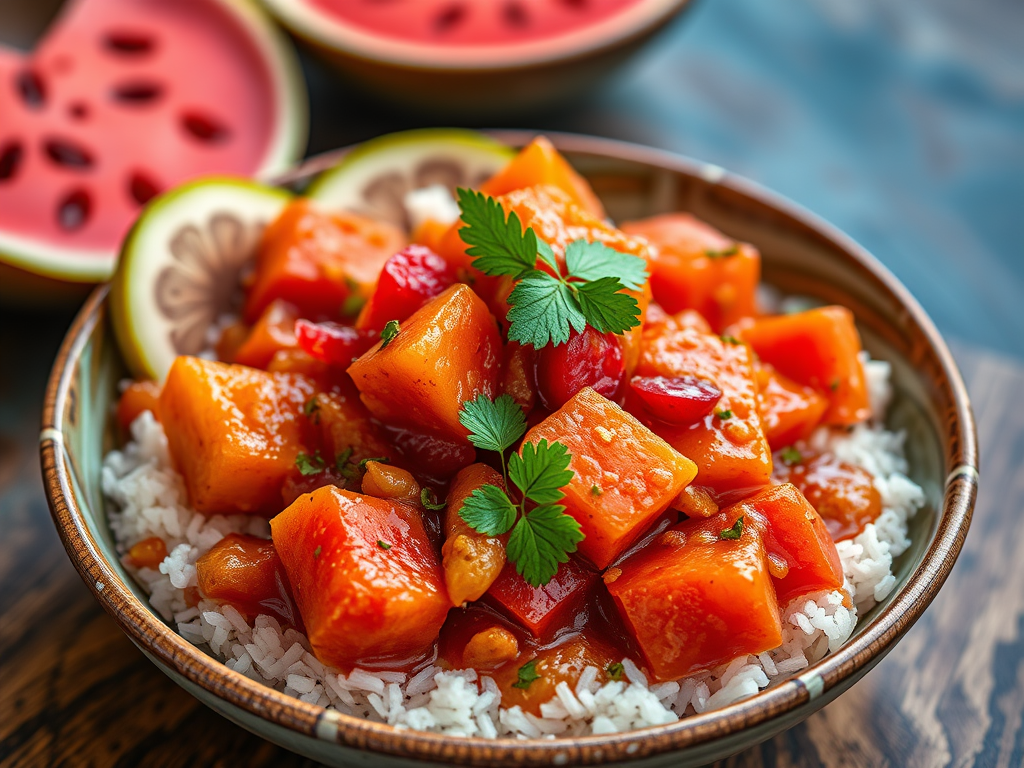
Our latest creation celebrates this overlooked ingredient by transforming watermelon rind into a vibrant, flavour-packed starter served on freshly prepared puri bread. The result is a dish that not only tastes exceptional but also reflects a commitment to sustainable, zero-waste cooking.
Why Watermelon Rind?
Watermelon rind contains a variety of beneficial nutrients that make it much more than kitchen waste.
Rich in Citrulline
One of the standout compounds in watermelon rind is citrulline, an amino acid that the body converts into arginine. This process may help support healthy circulation and blood flow.
A Good Source of Fibre
The rind contains dietary fibre, which supports digestive health, contributes to feelings of fullness, and promotes healthy gut function.
Vitamins for Everyday Wellness
Watermelon rind contains:
Vitamin C – supports the immune system and collagen production
Vitamin B6 – assists energy metabolism and brain function
Essential Minerals
The rind also provides:
Potassium – supports hydration and muscle function
Magnesium – contributes to normal nerve and muscle function
The Perfect Match: Watermelon Rind and Puri Bread
The watermelon rind is carefully prepared to create a tender texture with a slight crunch. Its fresh flavour profile pairs beautifully with the light, crispy texture of puri bread.
The combination creates an appetiser that is:
Visually striking
Environmentally conscious
Nutritionally beneficial
Memorable for guests
More Than a Dish
This starter demonstrates how ingredients traditionally considered waste can become the highlight of a menu.
By using the whole fruit, we reduce waste, maximise resources, and encourage a more thoughtful approach to food production.
In a world increasingly focused on sustainability, dishes like this show that innovation often begins by looking at familiar ingredients differently
reemavedharaFrom Waste to Wow: The Watermelon Rind Starter Changing How We Think About Food
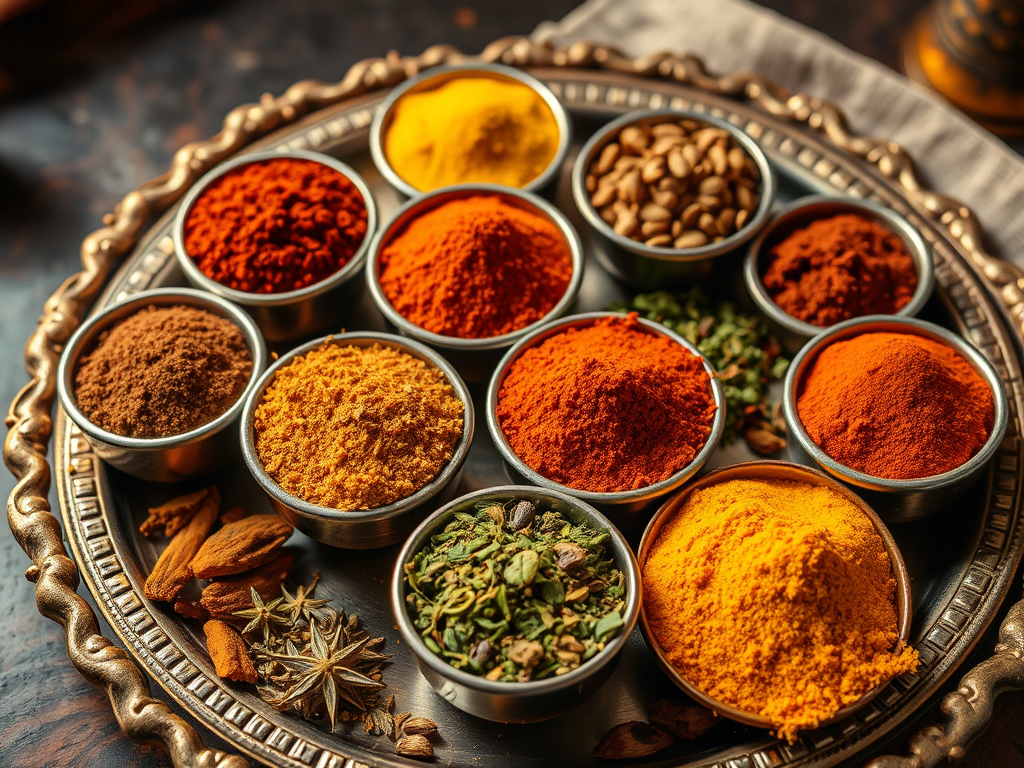
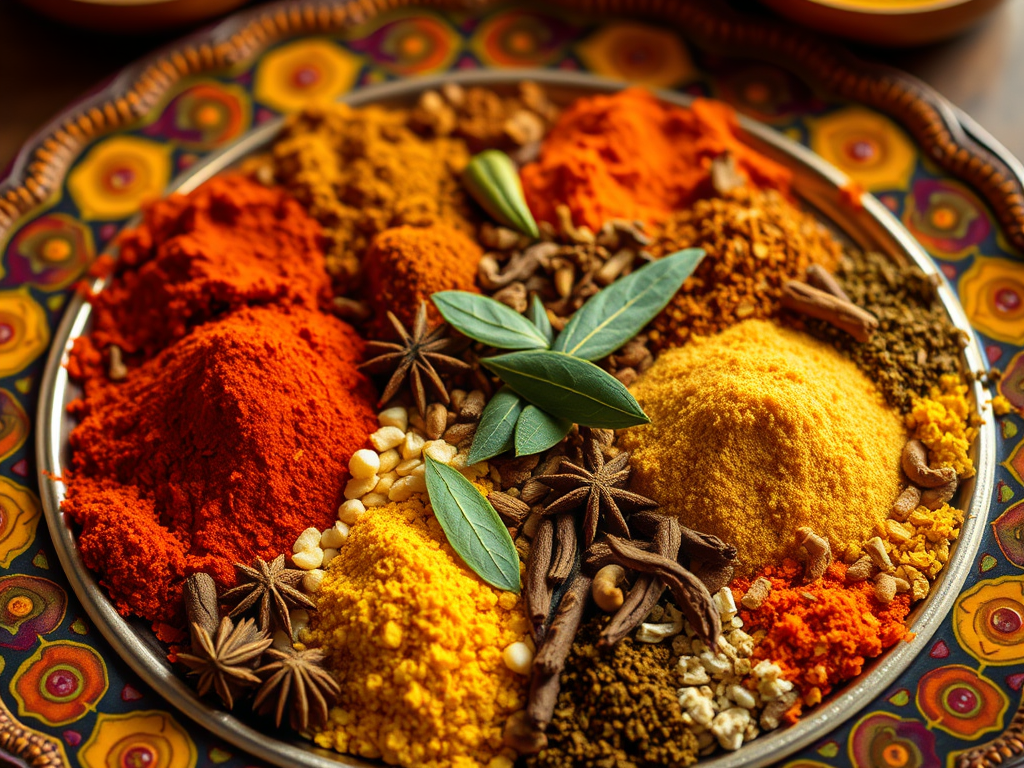
If you’re new to cooking with spices, you may feel a little lost among the riot of colour, superb smells, and packets and jars of possibilities! So, where do you even begin? Right here! We firmly believe your life needs spice, so our flavour lover’s guide to everyday Indian spices is the perfect starting point.
These spices are used in millions of Indian kitchens – ours included – every day. They’re versatile enough to use in many of your favourite British dishes, adding a certain special something to make them utterly irresistible. Let’s embark on a journey of enticing flavours and aromas!
Cassia Bark/Cinnamon
Among the best-known and loved sweet spices, cassia bark and cinnamon are related and are used in the same way. Although these spices are described as ‘sweet’, they’re also delicious in many savoury dishes, curries among them.
Spicy suggestions: If you want to add cassia or cinnamon to a curry for four people, add 1 to 2 sticks along with your other whole spices to hot oil and fry for a minute or so. This brings out the flavour and increases the spice’s natural sweetness. Cinnamon (or cassia) is a must in rice dishes such as Biryani and Pilau, in curries, as well as in sweet dishes such as rice pudding or Kheer, and in some biscuits and pastries.
Cloves
Famously used in hot cross buns, cloves are another spice that works in savoury and sweet dishes, although they’re more commonly used in savoury dishes in many Indian kitchens. They’re a key part of the aromas and flavours of biryani and many aromatic curries.
Spicy suggestions: The trick to using cloves in your cooking is to remember that less is more, as they can be overpowering. If you’re making a curry to serve four, use two to three cloves, adding them with your other whole spices to your hot oil before frying your onions. If you’re using ground cloves, add ⅛ of a teaspoon.
Coriander Seeds
Whereas fresh coriander leaves are one of the most divisive herbs (you love it or you hate it), the roasted and ground seeds are far more popular, thanks to their sweet, warm, citrussy and delicately floral fragrance and flavour. Coriander seeds pair well with cumin and are a key ingredient in the famous spice mix, garam masala, as well as in many other Indian spice mixes. They’re also superb in Madras and Vindaloo dishes, Aloo Gobi, dal, and in chutneys and pickles.
Spicy suggestions: If using whole seeds when cooking a curry to serve four, add ½ to ¾ teaspoon to your oil with your other whole spices and allow to sizzle. If you’re using ground seeds, add a ¼ teaspoon when you add your other ground spices.
Turmeric (Haldi)
For decades, many people in the UK have thought of turmeric in terms of colour rather than flavour. It’s true that this cheerfully coloured spice is never the star of the show when it comes to the flavour profiles of many savoury dishes, its earthy, slightly bitter and peppery flavour grounds and supports the other spices. Trust us – you would miss the flavour of turmeric if it wasn’t there. Plus, this spice is loaded with the plant chemical curcumin, which has anti-inflammatory, anti-ageing, mood-stabilising, and other health benefits.
Spicy suggestions: There are a couple of approaches to adding turmeric to your curries. If you’re cooking a curry to serve four, you can either add ½ to 1 teaspoon of ground turmeric with your other ground spices, or add it 10 minutes before the end of cooking, stirring it into the gravy. Just remember that overcooking turmeric can intensify its bitterness, which is why some people prefer to add it in the last 10 minutes.
Cumin Seeds (Jeera)
Also known as jeera, cumin seeds are inseparable from Indian cooking. They’re known for their earthy, nutty, subtly sweet, and ever-so-slightly bitter flavour when tempered in hot oil or dry-roasted and ground to a powder. Cumin is a key spice in garam masala, rice dishes such as Biryani and Pilau, dal, and some breads. It’s also fantastic with chickpeas and in dishes like Aloo Gobi.
Spicy suggestions: As ground cumin seeds are almost always found in curry powder and many other spice mixes, you might prefer to use them whole when cooking at home. When making a curry to serve four, add ½ to 1 teaspoon of the seeds to your hot oil with your other whole spices. Alternatively, add ¼ to ½ teaspoon of ground cumin when adding your other ground spices.
Mustard Seeds (Rai)
While bold, nutty, pungent black mustard seeds are the most commonly used variety in Indian cooking, you may prefer the slightly less bold yellow or brown variety. Whichever your preference, you would use them in the same way when preparing savoury dishes such as curries, Sambar, and Achari Paneer.
Spicy suggestions: Add whole mustard seeds to your hot oil a few seconds before adding the rest of your whole spices, letting them sizzle and pop (put a lid on the pan while they’re popping). If you’re making a curry to serve four people, add ½ to 1 teaspoon of mustard seeds.
Red Chilli Powder (Lal Mirch)
Although chillies are native to South America, India has embraced this spice as one of its own. Red chilli powder is available in a variety of strengths, so don’t be too brave at first. Start with a milder option, such as mild Kashmiri chilli powder, before you go for the full taste bud-blowing Bhut Jolokia, AKA the ghost pepper.
Spicy suggestions: If you’re making a curry to serve four, add ½ to 1 teaspoon of red chilli powder when you add other ground spices. Another option is to add roughly the same quantity of dried red chilli flakes when tempering your whole spices in the hot oil before frying your onions.
Bring Fragrance, Flavour, and Colour to Your Kitchen
These everyday Indian spices are among the basic building blocks of our most beloved dishes and many other popular recipes in restaurants and homes in South Asia and around the world.
Once you have these spices in your grocery cupboard, you have a starting point for your own culinary explorations and a wonderful and versatile palette to which you can eventually add other spices, such as green cardamom and fennel seed.
Remember, start with the amounts we suggest or adjust them according to the number of people you’re cooking for, but don’t be afraid to experiment to find the amount that’s perfect for your taste buds.